GLB Preview
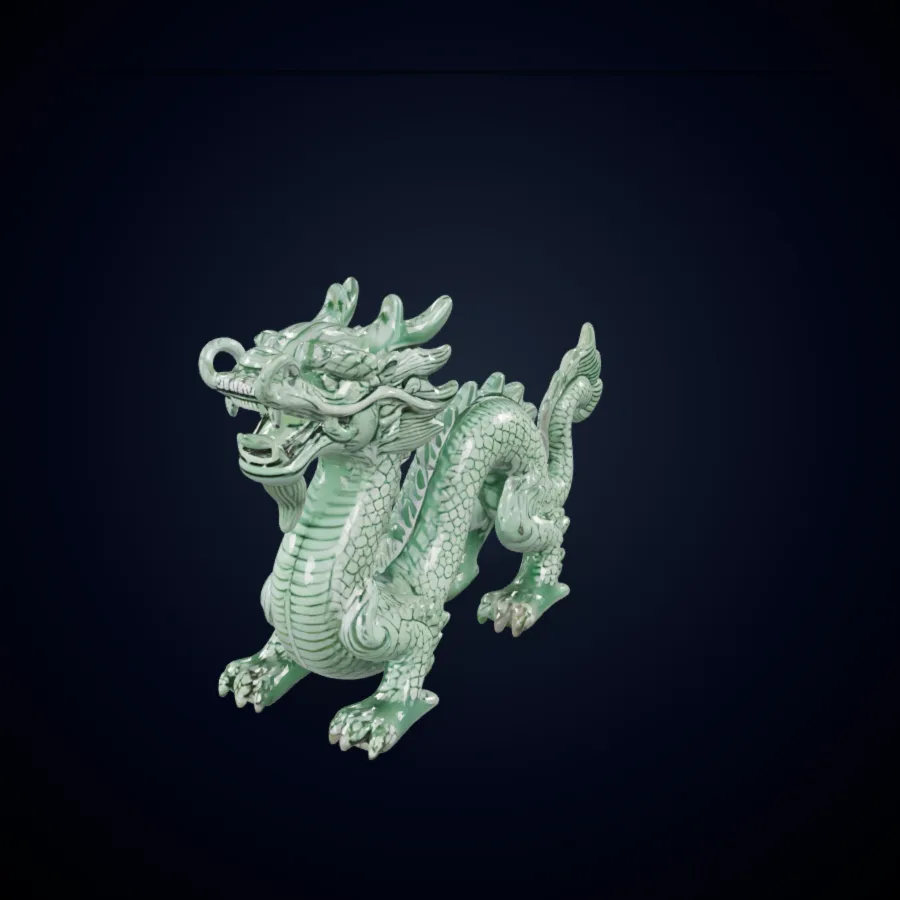
Dragon
Detailed fantasy creature preview with PBR material styling.
Create Trellis 2 3D model drafts from images or prompts in Formy 3D.
Trellis 2 is presented here as a creator-focused 3D generation workflow inside Formy 3D. Upload a clean reference image, write a concise prompt, generate a draft, and review the shape before using it in a production tool. This Trellis 2 page explains Trellis AI and Trellis 3D workflows in practical terms while keeping Formy 3D independent from official TRELLIS.2 research sources.

Trellis 2 is useful when a team needs a dimensional direction before hand modeling begins. Product designers can test volume, game artists can block a prop, and educators can show how AI-assisted 3D creation changes a flat idea into a reviewable asset. In Formy 3D, Trellis 2 should be treated as a fast Trellis 2 first-pass workflow, not a final-quality shortcut. Start with a strong image when shape accuracy matters, or start with a prompt when the concept is still loose.
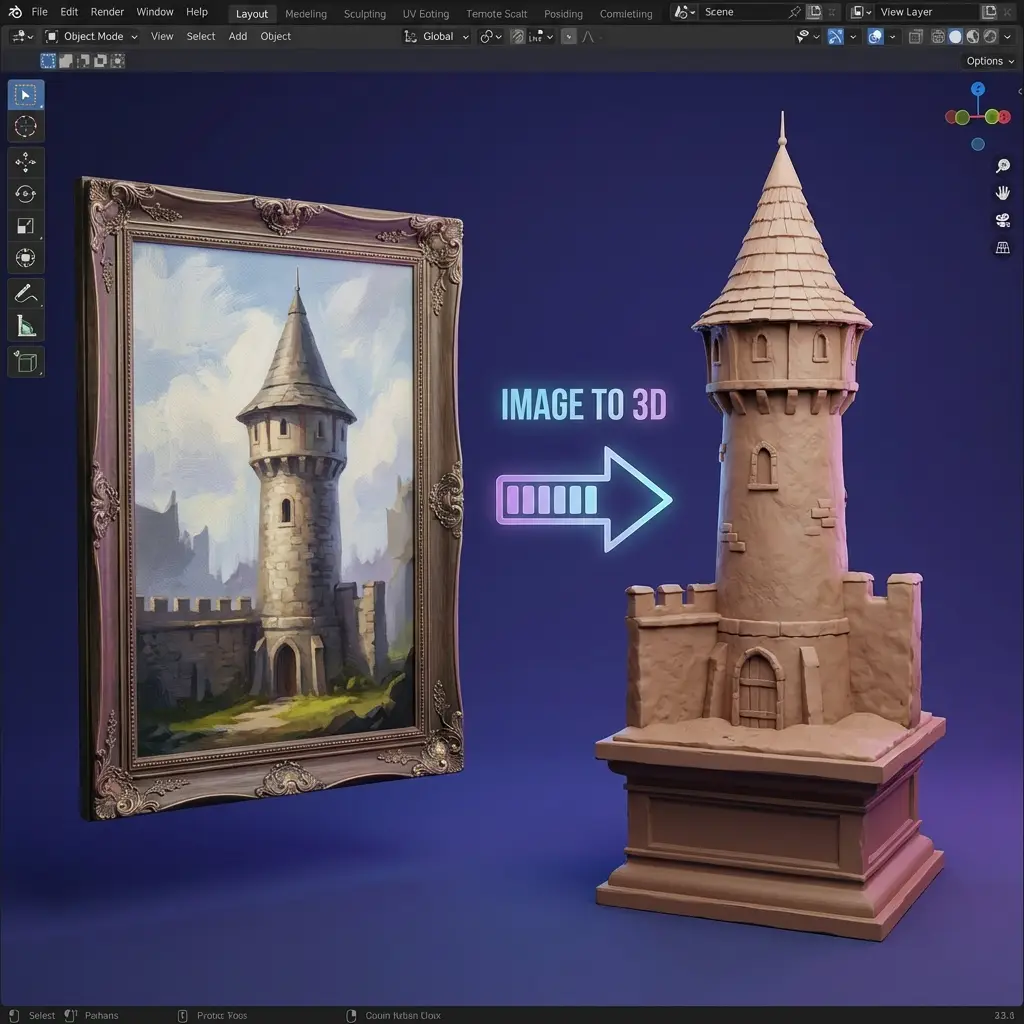
Trellis AI searches often come from creators who want image to 3D, prompt to 3D, and 2D to 3D in one simple flow. A photo gives Trellis 2 visible structure, silhouette, and material clues. A text prompt gives Trellis 2 a creative brief when no reference exists yet. Formy 3D keeps both paths approachable so users can compare Trellis 3D drafts, rotate the result, and decide whether the model is worth refining.
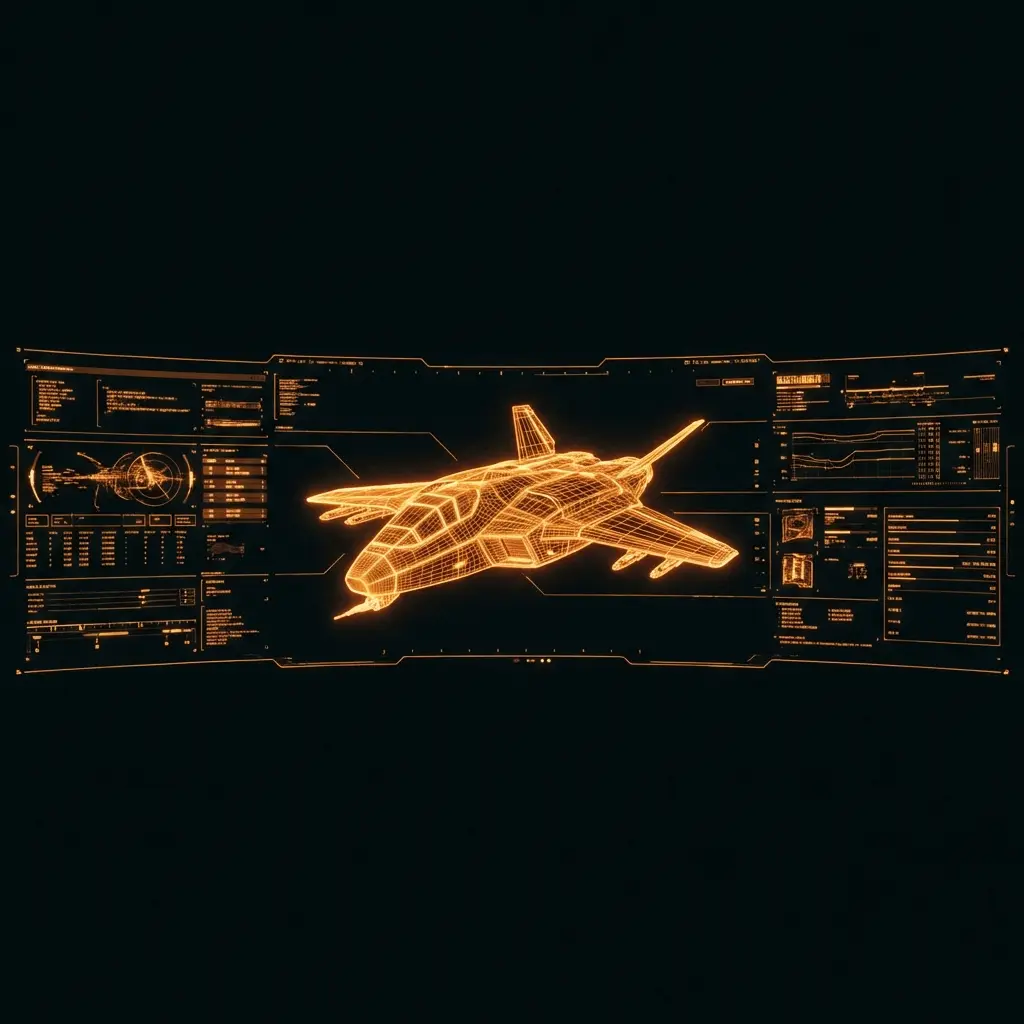
A strong Trellis 3D draft begins with an input that clearly describes the object. For image workflows, remove clutter, center the subject, and keep lighting readable. For prompt workflows, name the object, style, material, and important proportions. Trellis 2 can then create a useful 3D starting point for inspection. The value is not only the mesh; it is the speed of moving from a 2D reference to a discussion that a team can see from multiple angles.

Trellis 2 helps reduce the blank-canvas problem, but every generated model still needs judgment. Review the silhouette, proportions, surface continuity, topology, texture behavior, and downstream format before treating a Trellis 3D result as production material. Trellis AI can speed early choices, yet artists and product teams should still edit, retopologize, rematerial, or rebuild parts when the final use requires precision.

Formy 3D does not present this page as the official Trellis 2 website. The goal is to help visitors understand how Trellis AI ideas map to a practical creator workflow: prepare input, generate a draft, inspect the Trellis 3D output, and export only when the result is useful. For model release details, licensing, checkpoints, or research claims, users should consult the original TRELLIS.2 project materials and provider documentation.
Preview high-quality 3D model examples instantly, then load the interactive viewer on demand.
Detailed fantasy creature preview with PBR material styling.
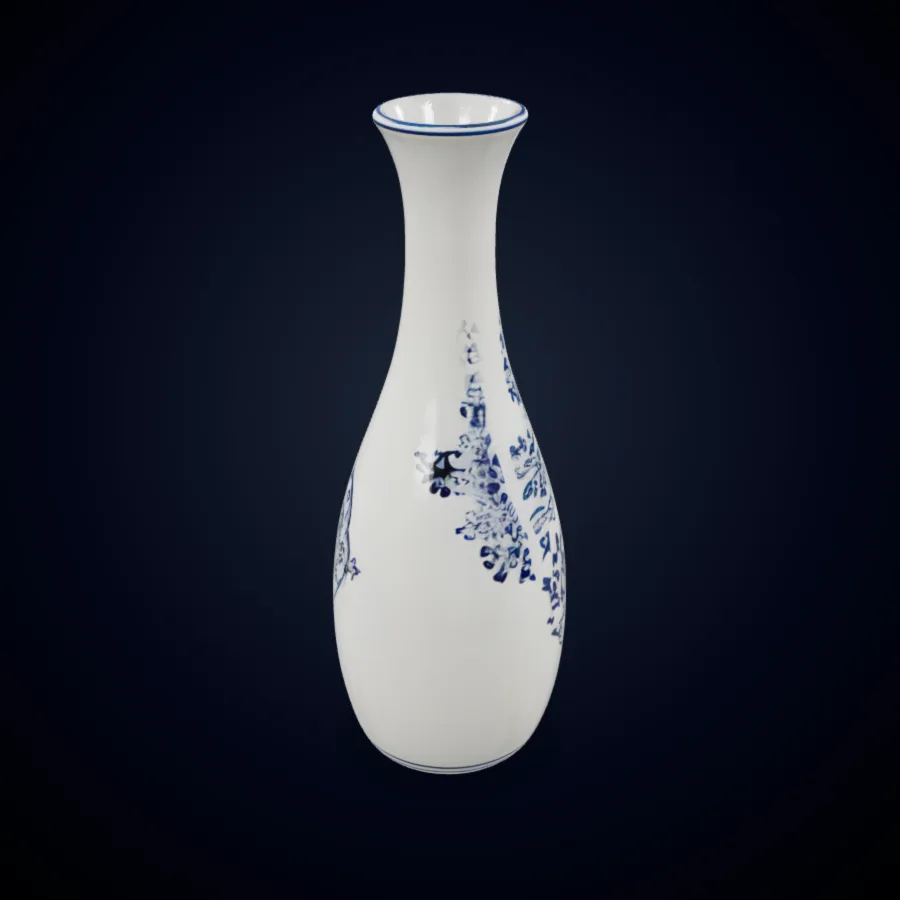
Product-ready hard-surface asset for design review workflows.
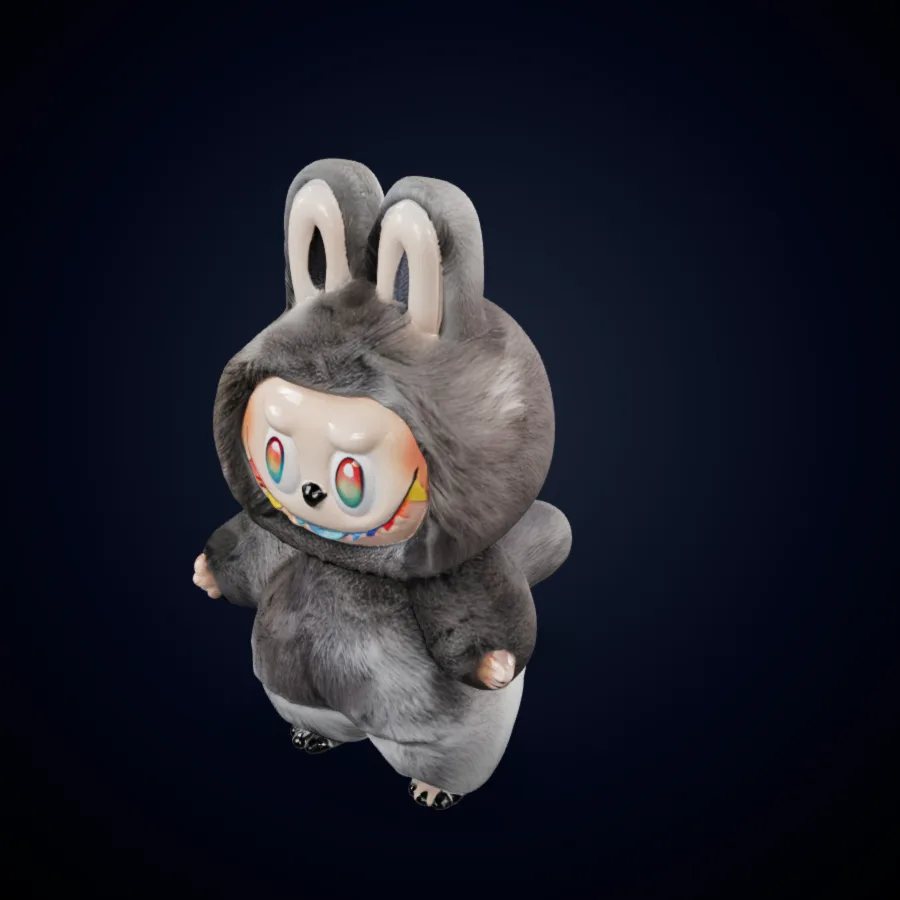
Clean character-style mesh preview for quick creative validation.
A reliable Trellis 2 process moves from clean input to generation, review, and export. These Trellis 2 steps keep Trellis AI useful for creators who are new to image to 3D or prompt to 3D.
Choose the input that matches the job. Use an image when silhouette, proportion, and product identity matter. Use a prompt when the team wants several concept directions before choosing a reference. For Trellis 2 image tasks, crop the object clearly, avoid busy backgrounds, and describe hidden material details. For prompt tasks, explain the object type, style, finish, and scale so the Trellis 3D draft has a stable target.
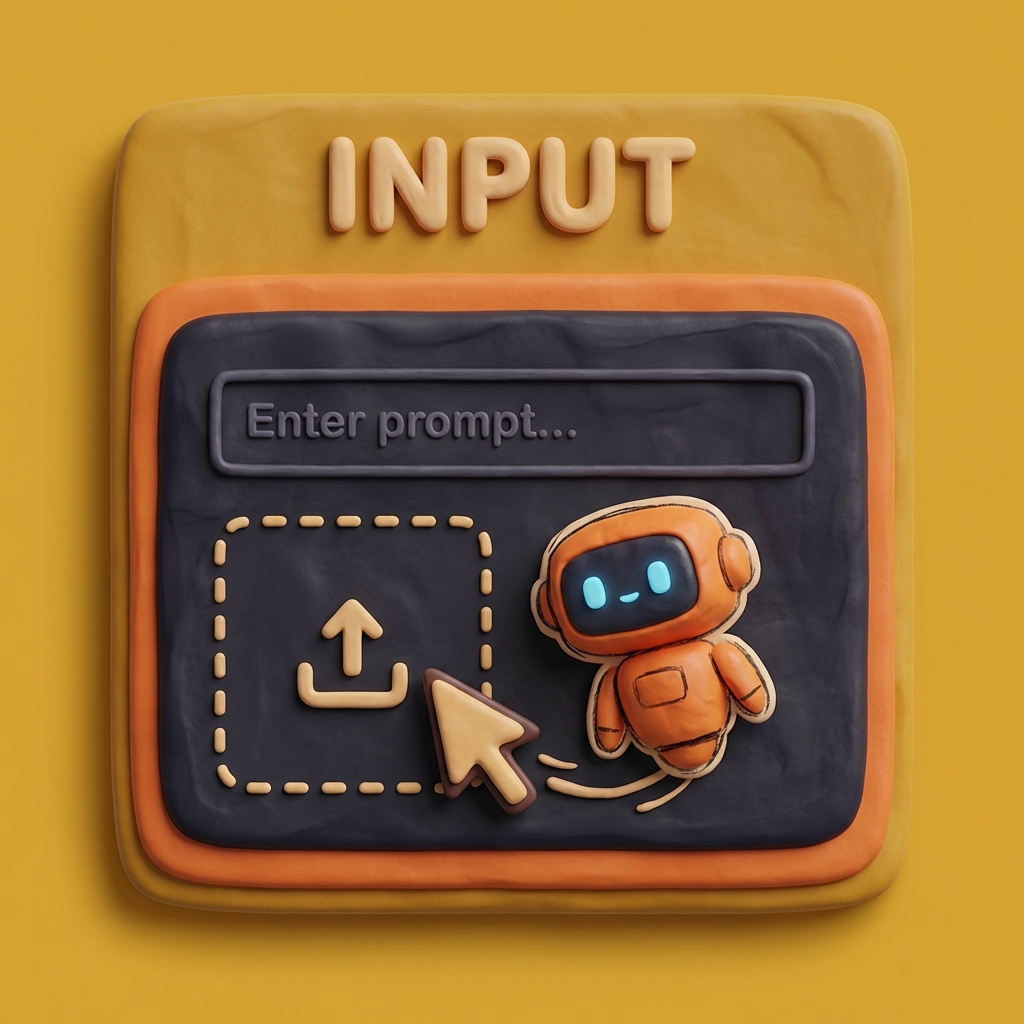
After generation, inspect the model like a reviewer rather than a spectator. Rotate the result, compare it with the image or prompt, look for missing backsides, and check whether important edges remain readable. Trellis 2 can accelerate early asset creation, but Trellis AI still benefits from human decisions. If a Trellis 3D draft misses the object, simplify the input or make the prompt more concrete.
When the Trellis 2 draft is useful, export it for the next stage. Blender is helpful for cleanup, topology work, material edits, and scale checks. Unity and Unreal help teams preview assets in realtime scenes. Product teams may use the model for layout tests or campaign mockups. Keep the Trellis 3D output editable until a creator has reviewed the geometry, texture, license, and target format.

Trellis 2 is most valuable when a project needs visible 3D momentum before final modeling. These Trellis 2 examples show how Trellis AI and Trellis 3D workflows support review, planning, and handoff.

Game teams can use Trellis 2 to move from a quick prompt or object reference into a rough prop draft for blocking and art direction. The purpose is not to bypass optimization. It is to create a visible model that designers can rotate, scale, and discuss. Trellis AI gives early conversations a concrete shape, while the Trellis 3D draft can later be rebuilt, retopologized, or textured for a game-ready pipeline.

For ecommerce and product teams, Trellis 2 can turn a clean photo into a dimensional draft that is easier to judge than a flat image. Packaging, tabletop objects, accessories, and decor can be compared earlier in the campaign process. A Trellis 3D result may help teams evaluate proportion, surface direction, and presentation angle before committing to manual modeling or photography.

Industrial designers, educators, and prototype teams can use Trellis AI to compare forms before a detailed CAD or modeling pass. Trellis 2 helps when the team needs a tangible object for critique, not just a mood board. A prompt can test style and function, while an image can anchor real proportions. The Trellis 3D output becomes a shared object for discussion, measurement, and iteration.

VFX and look-development teams can use Trellis 2 to test object ideas before assigning deeper modeling time. A fast draft can reveal whether a creature detail, prop, or environment element deserves a full artist pass. Trellis AI supports early exploration, while the Trellis 3D result gives supervisors a concrete reference for shape, material direction, and shot planning.
Judge Trellis 2 results by usefulness, not novelty. A good Trellis 3D draft from Trellis 2 should match the input, survive rotation, and remain practical for the next tool.
For image to 3D and 2D to 3D tasks, first ask whether the object still reads like the source. A strong Trellis 2 result keeps the large silhouette, volume, and proportion before smaller details are judged.
Trellis AI workflows can create useful surface direction, but creators should inspect texture continuity, material plausibility, opacity, roughness, and lighting response before product visualization or realtime use.
A generator can shorten the path to a first asset, but final quality depends on review. Clean topology, adjust scale, improve materials, and verify that the Trellis 3D model fits Blender, Unity, Unreal, or another downstream workflow.
Trellis 2 works best when the input is specific. Use clear photos for image workflows and concrete nouns for prompt workflows. Add material words, shape constraints, and style limits so Trellis AI has fewer ambiguous choices.
Searchers may see TRELLIS.2 described as a research model for high-fidelity image-to-3D generation. Formy 3D translates that interest into a practical Trellis 2 workflow page without claiming official status or replacing source documentation.
Before commercial use, confirm the source image rights, model terms, and provider rules. Treat each Trellis 2 result as a draft until a human has verified quality, ownership, and production readiness.
Answers about Trellis 2, Trellis 3D, Trellis AI, image to 3D, prompt to 3D, PBR-style assets, and Formy 3D's independent role.
No. Formy 3D is an independent AI 3D generation platform and this page is not the official Trellis 2 website. It is not operated by the TRELLIS.2 research team and does not claim official affiliation. The purpose is to explain how creators can use Trellis AI style workflows inside Formy 3D while keeping source clarity. For release notes, checkpoints, technical limits, and license details, consult the original project or provider documentation.
Trellis 2 is useful for generating reviewable 3D drafts from images or prompts. Creators can explore product objects, game props, stylized items, simple characters, educational examples, and early VFX references. The best use is a first Trellis 3D direction that can be rotated and evaluated quickly. A Trellis 2 generated model may still need cleanup, topology work, UV fixes, material edits, or manual rebuilding before final production.
Trellis 3D is a search phrase many creators use when they want a Trellis 2 result that behaves like a 3D asset rather than a flat image. On this Trellis 2 page, Trellis 3D means a draft model you can inspect, compare, and export for further work. It may include useful geometry and texture direction, but it should still be reviewed against the input and the intended pipeline.
Trellis AI helps shorten the path from idea to visible 3D direction. With an image, Trellis 2 can use shape and material clues from the reference. With a prompt, Trellis 2 can turn written intent into a model draft for discussion. Trellis AI is most helpful when users treat the result as an editable starting point and make clear review decisions before export.
Official TRELLIS.2 research materials focus strongly on image-to-3D generation, while creator workflows often discuss both image and prompt paths. In Formy 3D, Trellis 2 content is framed around practical input choices: use an image when shape accuracy matters and use a prompt when concept variation matters. Both paths should end with careful Trellis 3D review.
Research discussions around TRELLIS.2 emphasize richer material attributes such as base color, roughness, metallic response, and opacity. For Trellis 2 users, the practical question is whether a Trellis 2 draft looks consistent under inspection and remains useful in the next tool. Trellis AI may provide strong material direction, but creators should still test lighting, transparency, texture seams, and scale before relying on the asset.
Trellis 2 works best with clear, object-centered inputs. Use images with strong silhouettes, limited background clutter, and enough lighting to reveal form. For prompts, name the object, material, style, scale, and any important hidden details. The cleaner the input, the easier it is for Trellis AI to produce a Trellis 3D draft that can be judged without guessing what the model was meant to be.
Yes, a Trellis 3D result can be used as a draft for tools such as Blender, Unity, Unreal, or other 3D workflows when the export format and quality fit the job. Inspect the Trellis 2 output first. Check topology, scale, texture behavior, and material naming before using it in a scene. Production work after Trellis 2 often requires cleanup even when the first draft is visually promising.
Trellis AI can accelerate exploration, but it should not replace creative review. Difficult subjects may have missing backsides, uneven surfaces, confused texture areas, or geometry that needs rebuilding. Trellis 2 is strongest when used for fast direction, comparison, and early feedback. For final delivery, verify structure, materials, licensing, and downstream compatibility.
Compare Trellis 2 outputs by silhouette, proportion, visible detail, material consistency, and usefulness in the next tool. If one Trellis 3D draft captures the big shape but another has better surfaces, choose based on the project goal. For product work, shape accuracy may matter most. For concept art, speed and mood may matter more. Trellis AI works best when the review criteria are clear.
Start with an image or prompt, create a Trellis 2 draft, and review the model before editing it in your production tools.