GLB Preview
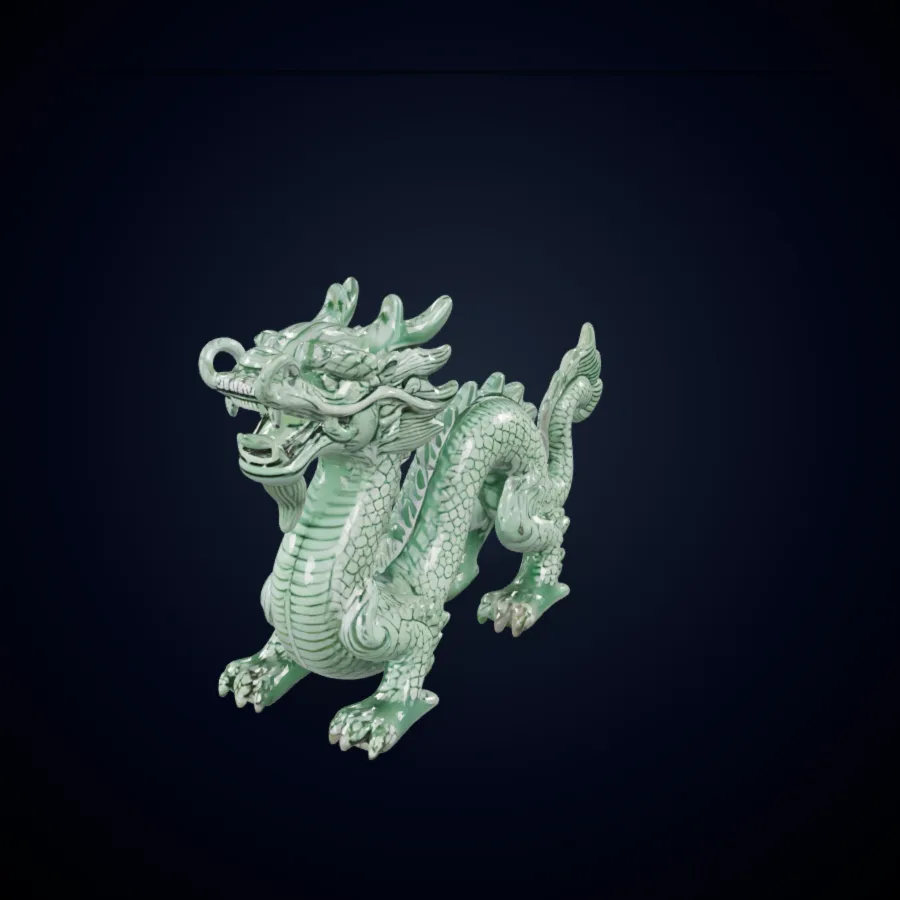
Dragon
Detailed fantasy creature preview with PBR material styling.
Modly 3D AI is a focused 3D AI workflow for creators who want to move from a flat idea to a usable 3D starting point without opening a complex modeling scene first. The page is built for people searching for a practical 3D model generator that can understand a reference image, a short prompt, or a 2D concept and turn that input into a draft asset for review. Modly 3D AI supports image-based generation, prompt-based generation, and 2D to 3D exploration while keeping the first screen simple and the deeper SEO content inside the sections that explain the workflow. Modly AI should be presented as a fast creative assistant: helpful for shape direction, concept discussion, and early visualization, while still leaving final polish, topology cleanup, and production decisions to the creator.
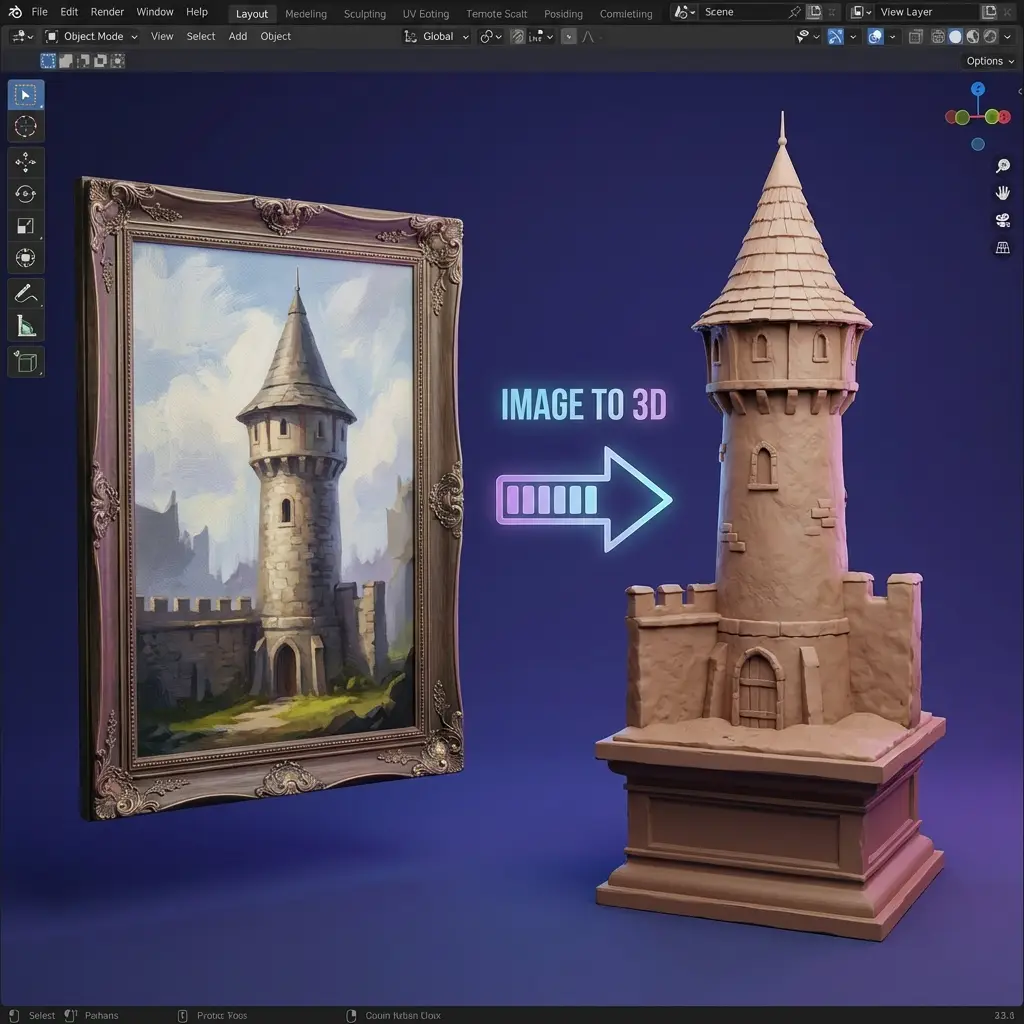
Modly 3D AI is useful when a designer, marketer, game artist, or student has an idea but needs a dimensional object before the project can move forward. Instead of rebuilding every form by hand, the creator can start with image to 3D if a visual reference exists or text to 3D if the idea is still verbal. This 3D model generator gives the team a draft asset that can be rotated, compared, and discussed.

Many visitors arrive because they need a 3D model from image input: a product photo, toy reference, character sketch, packaging idea, or object snapshot. Modly 3D AI explains that image to 3D works best when the subject is clear, the background is simple, and the shape can be read from the input. Text to 3D is better when the object has not been drawn yet.

A responsible 3D AI page should avoid promising perfect production-ready results from every prompt. Modly 3D AI should set the right expectation: use the 3D model generator to create a useful first draft, then inspect proportions, materials, scale, and surface quality before using the model downstream. Image to 3D and 2D to 3D generation can preserve the visual direction of a reference, while text to 3D can reveal options that a team has not drawn yet.

The most valuable Modly 3D AI use cases begin with a concrete question: what would this flat reference look like as a dimensional object? A 2D to 3D workflow can help product teams examine volume, ecommerce teams test object presentation, and game teams block out props before manual modeling begins. When users search for a 3D model from image, they often want speed, not a long technical setup. Modly AI answers that intent by focusing on upload, generation, preview, and export as a direct creative path.
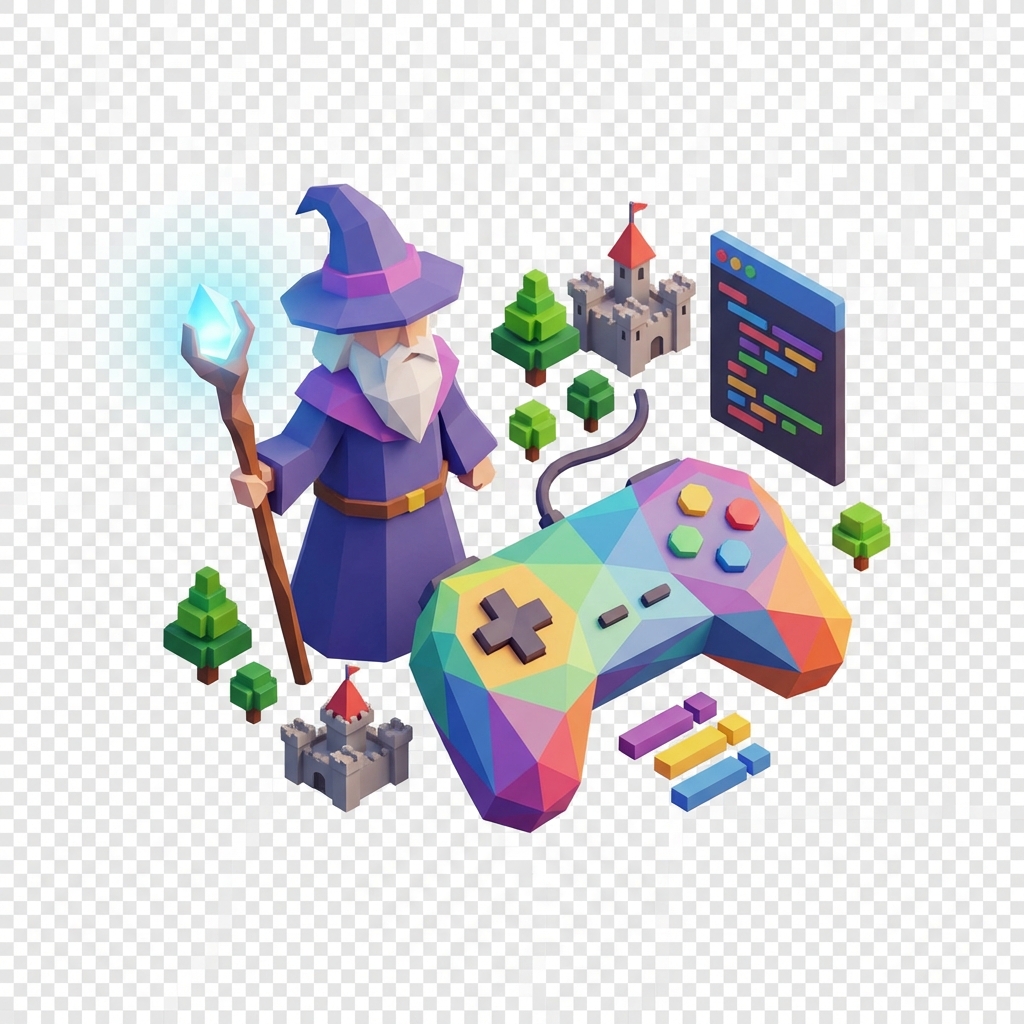
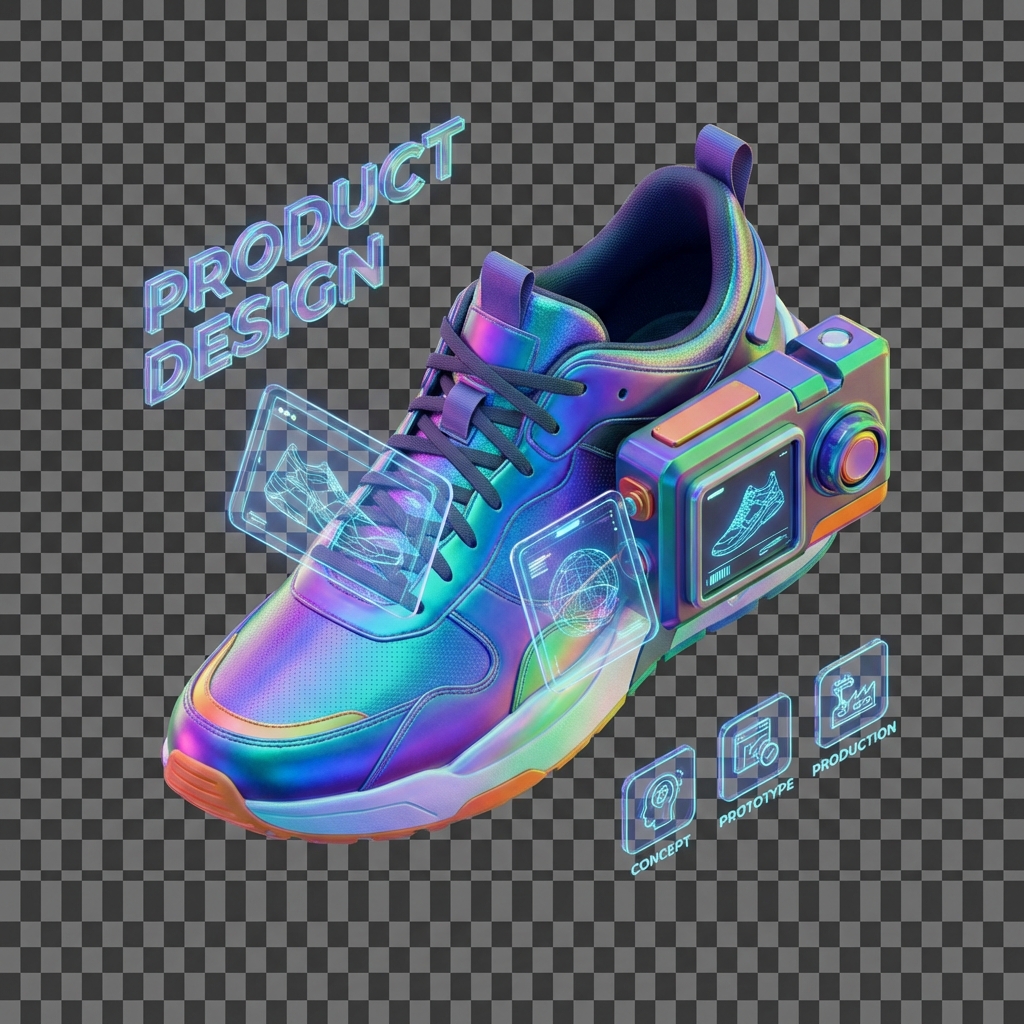
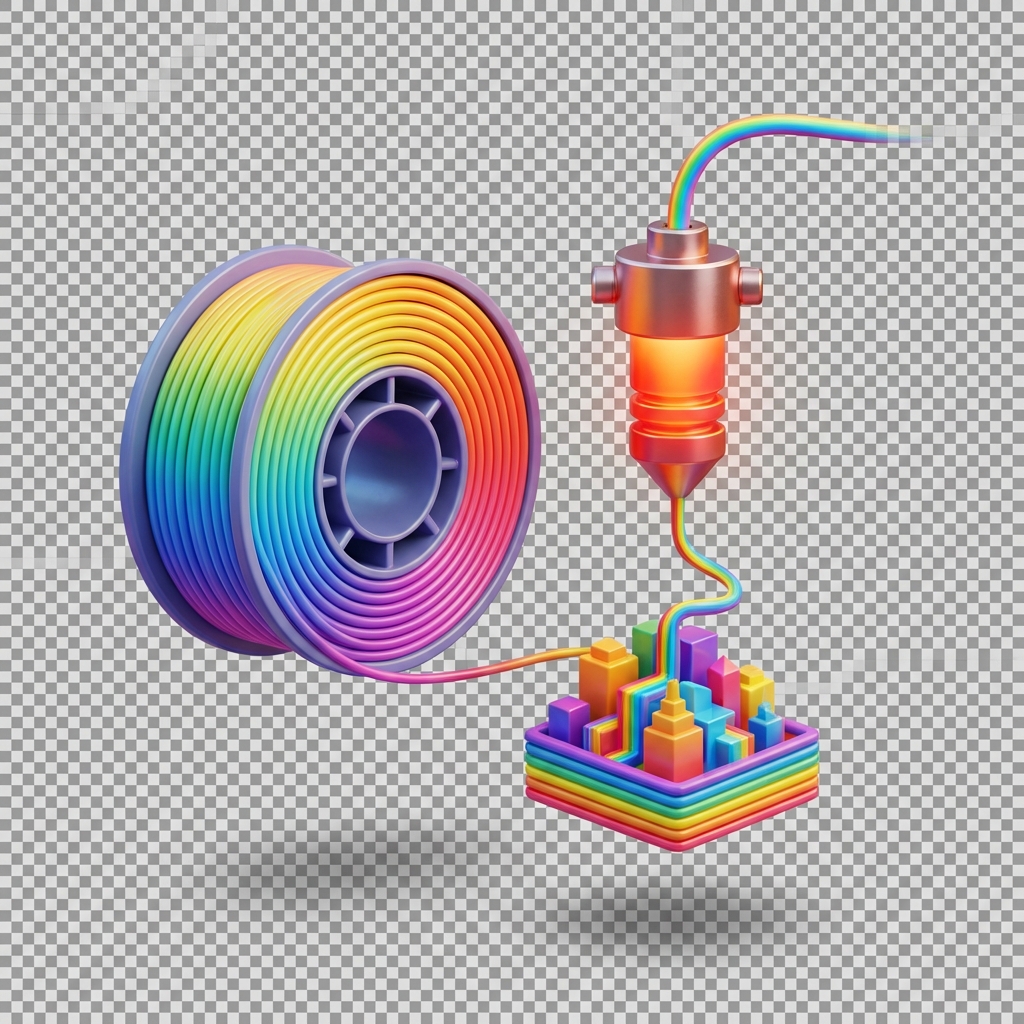
Preview high-quality 3D model examples instantly, then load the interactive viewer on demand.
Detailed fantasy creature preview with PBR material styling.
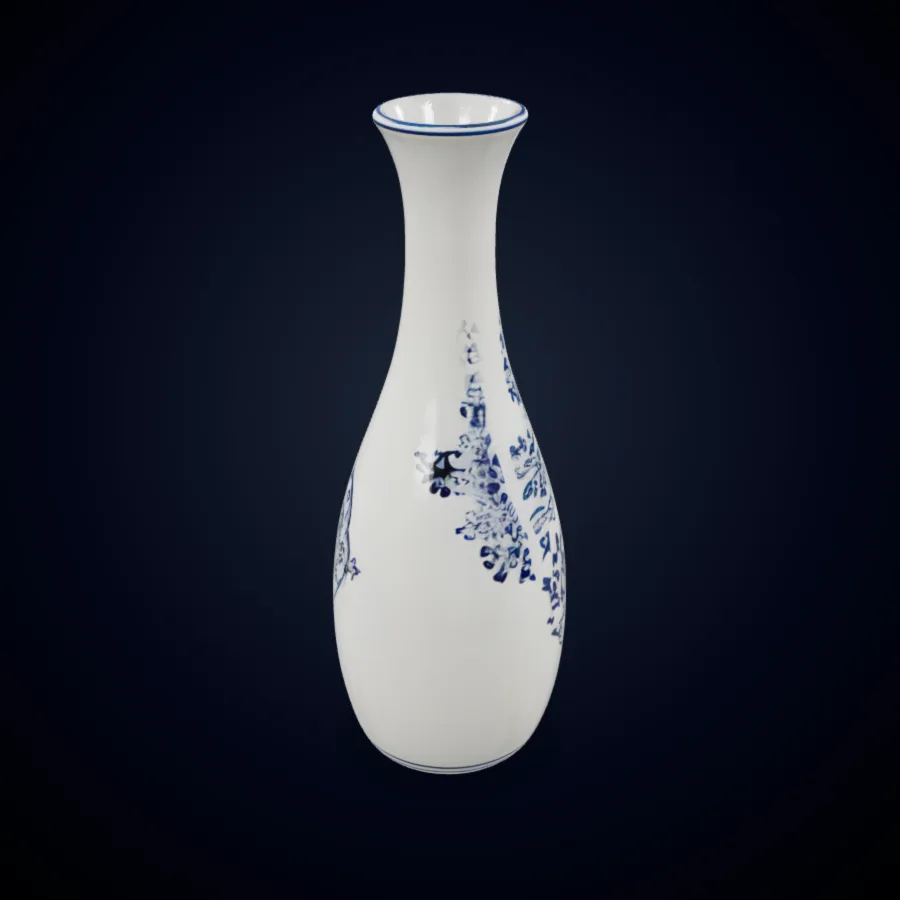
Product-ready hard-surface asset for design review workflows.
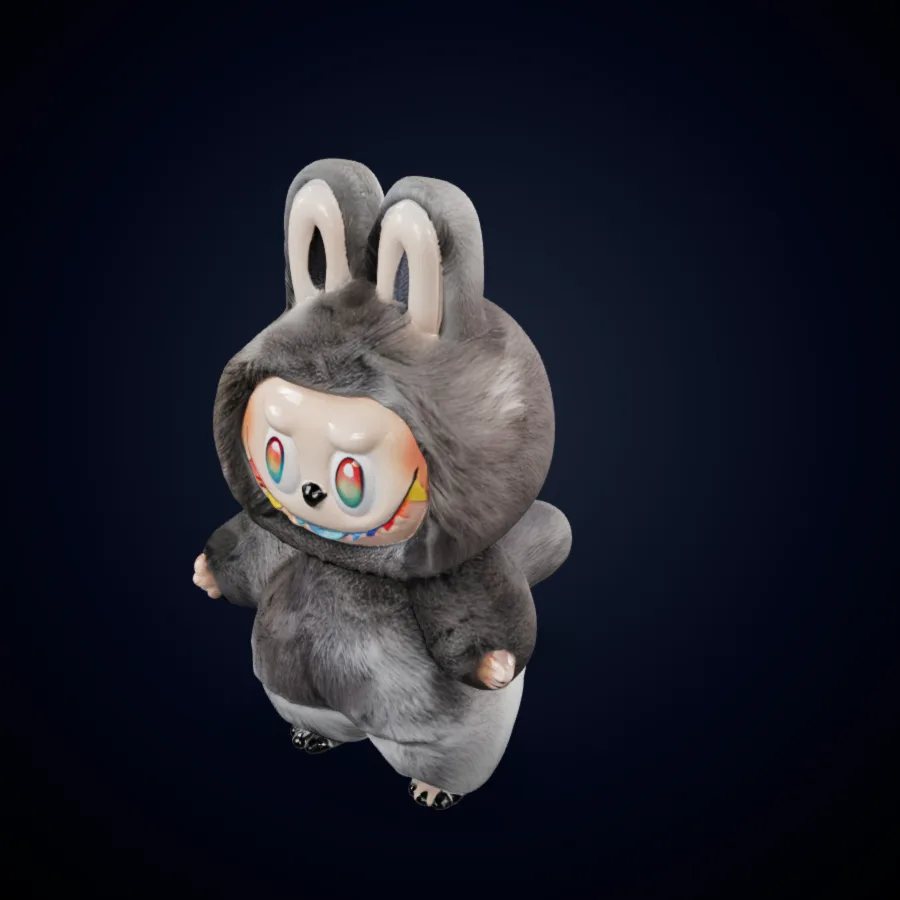
Clean character-style mesh preview for quick creative validation.
A good Modly 3D AI workflow starts with the right input, then moves through generation, review, and export. These steps keep image to 3D, text to 3D, and 2D to 3D tasks simple for new users.
Choose image-based generation when you already have a clear visual reference. Choose text to 3D when you want Modly 3D AI to explore an idea from language. For 2D to 3D conversion, crop the subject clearly, avoid busy backgrounds, and describe hidden details such as back surfaces, material, and style. A good input helps the 3D AI workflow create a more useful draft asset.
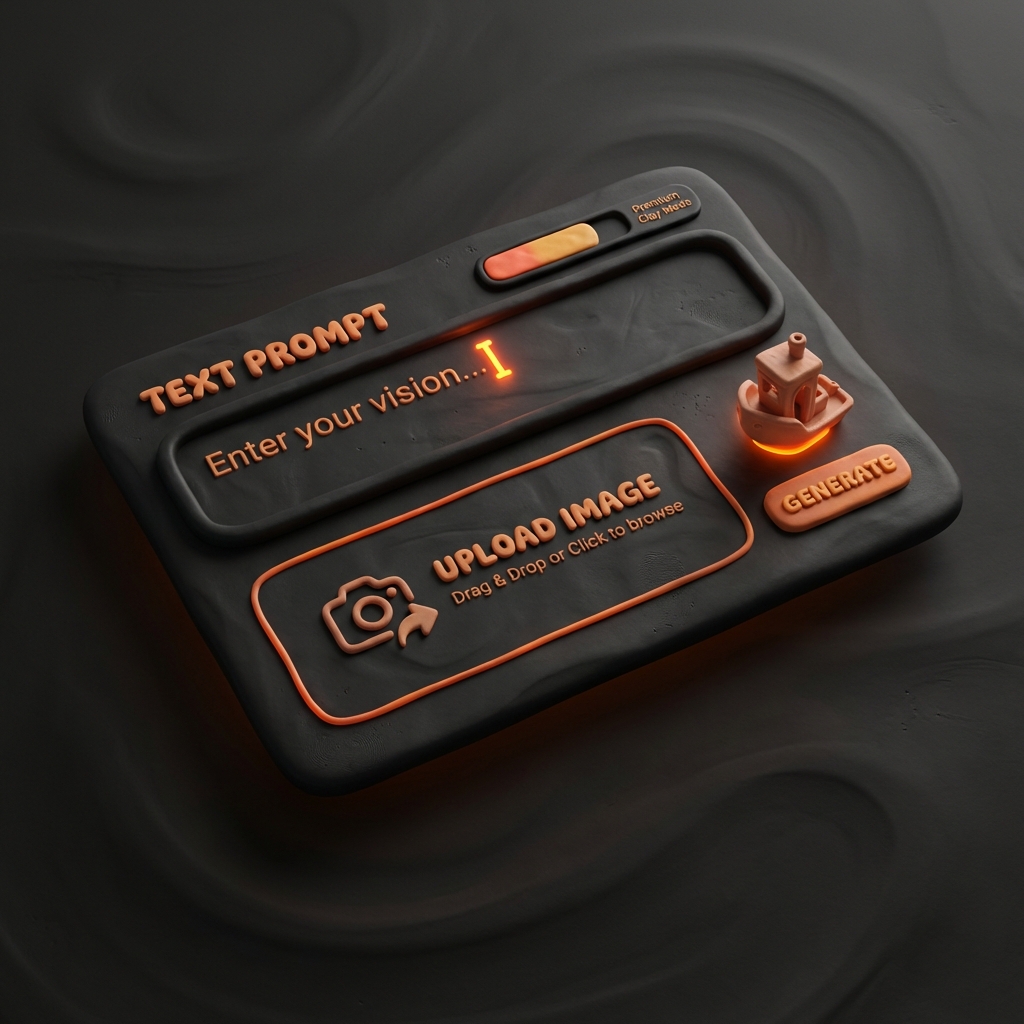
After the input is ready, use Modly 3D AI to generate the first model direction. The 3D model generator analyzes the prompt or reference and creates a draft that can be inspected in a browser. For image-based generation, compare the output against the source image. For text to 3D, compare the result against the prompt and decide whether the object, style, and proportions match the intended direction.
Once Modly AI creates the draft, preview it from several angles. Check whether the 3D model from image preserved the important silhouette, whether a text to 3D result follows the description, and whether a 2D to 3D output is useful enough for the next step. Export the model as a starting point for Blender, Unity, Unreal, ecommerce mockups, design review, or additional cleanup.

Modly 3D AI is useful when a project needs visual momentum before final modeling begins. These use cases show how a AI-assisted 3D workflow supports review, planning, and handoff.

Game teams can use Modly 3D AI as a fast 3D model generator for props, collectibles, environmental objects, and early character accessories. Image to 3D helps when concept art exists, while text to 3D helps when designers need quick variations before art direction is locked.

Product designers can use Modly AI to turn sketches, references, or early product photos into a 3D model from image draft. This 2D to 3D workflow makes shape discussions easier because teams can review volume instead of only viewing a flat frame.

Ecommerce teams often need a faster way to test whether a product deserves a full visualization pipeline. Modly 3D AI can support image-based generation exploration from clean product references and create a draft asset for merchandising discussions.

Educators and students can use Modly 3D AI to demonstrate how images, prompts, and 3D outputs connect. A prompt-based generation example shows how language becomes form, while a 2D to 3D example shows why reference quality matters.
Independent creators can use Modly AI when they need visual material for a pitch, prototype, social post, or personal project. The 3D model generator can turn a small idea into a model draft quickly enough to test whether the direction is worth more time.
A Modly 3D AI result should be judged by usefulness. Review the generated asset against the source input, the downstream tool, and the creative goal.
For image-based generation and 2D to 3D tasks, choose a reference with a strong silhouette, visible materials, and limited background clutter. Modly 3D AI can create a better 3D model from image input when the main subject is easy to separate from the scene.
Text to 3D works best when the prompt names one main object, describes style, mentions material, and avoids conflicting details. Modly AI can explore more useful model directions when the prompt reads like a clear creative brief.
Before judging texture or polish, ask whether the Modly 3D AI output has the right volume and proportion. A 3D model generator is most helpful when the draft captures the main form well enough for the next decision.
Treat every 3D AI result as a starting point. Export the draft, inspect the mesh, and refine materials, scale, cleanup, and topology in the tools that match your pipeline.
Use image to 3D for visual accuracy, text to 3D for open exploration, and 2D to 3D for converting references into dimensional drafts. Modly 3D AI becomes more effective when users choose the input method based on the job.
The main value of Modly AI is decision speed. A draft model can show whether a direction deserves further modeling, a better reference, a revised prompt, or a different art style before a team spends hours on manual work.
Answers about Modly 3D AI, image to 3D, text to 3D, 2D to 3D workflows, and how to use a 3D model generator responsibly.
Modly 3D AI is a 3D AI workflow for turning images, prompts, and 2D references into 3D model drafts. It is best understood as a creative starting point for users who want to generate a model direction quickly, then review and refine the result before final use. The page positions Modly AI as a practical 3D model generator for early exploration rather than a complete replacement for professional modeling judgment.
Yes. Modly 3D AI can be described around an image-based generation workflow where the user starts with a clear reference image. A clean subject, simple background, and readable silhouette usually help the 3D model generator create a better 3D model from image input.
Image to 3D starts from a visual reference, so it is useful when shape and appearance already exist in a photo, sketch, or concept frame. Text to 3D starts from a written prompt, so it is better for open-ended ideas and quick variations. Modly 3D AI should explain both options clearly so users can choose image to 3D for reference fidelity and text to 3D for creative exploration.
Yes. Modly 3D AI is useful for 2D to 3D workflows when users need to turn a flat reference into a dimensional draft. Product sketches, object photos, concept art, and simple illustrations can all become starting points.
No. Modly AI should not be presented as a full replacement for Blender, Maya, ZBrush, Unity, Unreal, CAD, or manual 3D craft. Modly 3D AI can shorten the path to a first draft, but creators still need to judge mesh quality, topology, scale, textures, licensing, and pipeline fit.
A 3D AI model generator is useful for game designers, product teams, ecommerce marketers, educators, students, indie creators, and anyone who needs a faster way to visualize an object. Modly 3D AI is especially useful when the goal is to compare directions, create a discussion asset, or test whether an image to 3D or text to 3D idea deserves deeper production work.
Use clear inputs and review outputs carefully. For image-based generation, upload a focused reference with a single main subject. For text to 3D, write a specific prompt with object type, material, style, and proportion.
Generated models can be used as drafts for downstream tools when the export format and quality match the project. A Modly 3D AI output may be reviewed in a browser, then refined in 3D software for cleanup, material editing, scale correction, retopology, or presentation. Always inspect the model before relying on it for commercial, game, ecommerce, or educational use.
Move from image, prompt, or 2D reference to a 3D model starting point faster.